Therefore, Adobe Photoshop 2025 has been released and focuses heavily on integrating and enhancing AI-powered features, building on the success of the generative tools introduced in previous versions.
Therefore, here are some of the key highlights and new features you can expect in the Photoshop 2025 desktop application:
Adobe Photoshop 2025,
✨ Top New Features (Desktop)
Enhanced AI Removing Tools:
The Remove Tool has been significantly improved for faster, more seamless removal of unwanted objects, people, or elements.
Therefore, New options in the tool, like “Wires and Cables” and “People” (in the “Find Distractions” menu), allow for automatic, one-click removal of common distractions.
Adobe Photoshop 2025,
Improved Generative AI (Firefly Integration):
New Generative Models:Therefore, Updates to the underlying AI models (like Adobe Firefly Image Model 3 and new partner models) lead to more photorealistic outcomes, better contrast, and greater fidelity to complex text prompts.
Generate Similar:Therefore, you can now refine generative results by creating variations based on a preferred result.
Generative Workspace (Beta): A streamlined environment for ideating and creating multiple image versions based on variable prompts.
Adobe Lightroom Color Correction: Color Grading Tutorial 2025
Enhanced Selection and Masking:
Improved Object Selection:In other words, the tool is better at detecting and displaying the details of people (hair, features, accessories) for more accurate selections and easy modification.
Cloud Processing:In other words, an option to use cloud processing for the Select Subject and Remove Background features, resulting in more precise selections around complex edges.
Adobe Photoshop 2025,
Color and Image Adjustments:
New Adjustment Layers:In other words, Fine-tune images with new adjustment layers for Temperature and Tint.
Adjust Colors Capability:In other words, quickly and precisely modify colors throughout an image using on-canvas controls, including the ability to modify the six most prominent colors.
New File Format Support:
In other words, Support for opening, editing, and saving images in AVIF and JPEG XL (JXL) formats, which offer a wider range of color depths and native HDR support.
🖼️ Photoshop Elements 2025
For the non-subscription version, Adobe Photoshop Elements 2025 also introduced new AI features aimed at beginners and hobbyists:
AI Object Removal:In other words, Paint over unwanted objects for AI-powered removal.
Depth Blur: An AI-powered filter to create realistic depth of field with precise control over focal point and blur.
Change Object Color:In other words, easily change the color of any object using automatic selection tools.
Combine Photos Guided Edit: A new guided process to seamlessly blend elements from multiple pictures.
Adobe Photoshop 2025,
Would you like to know more about a specific new feature in Adobe Photoshop 2025, or are you interested in pricing and subscription options?
Change Image Background Colour in Adobe Photoshop 2025,
Changing the background color of an image in Photoshop involves separating the subject from the background and then adding a new colored layer behind the subject.
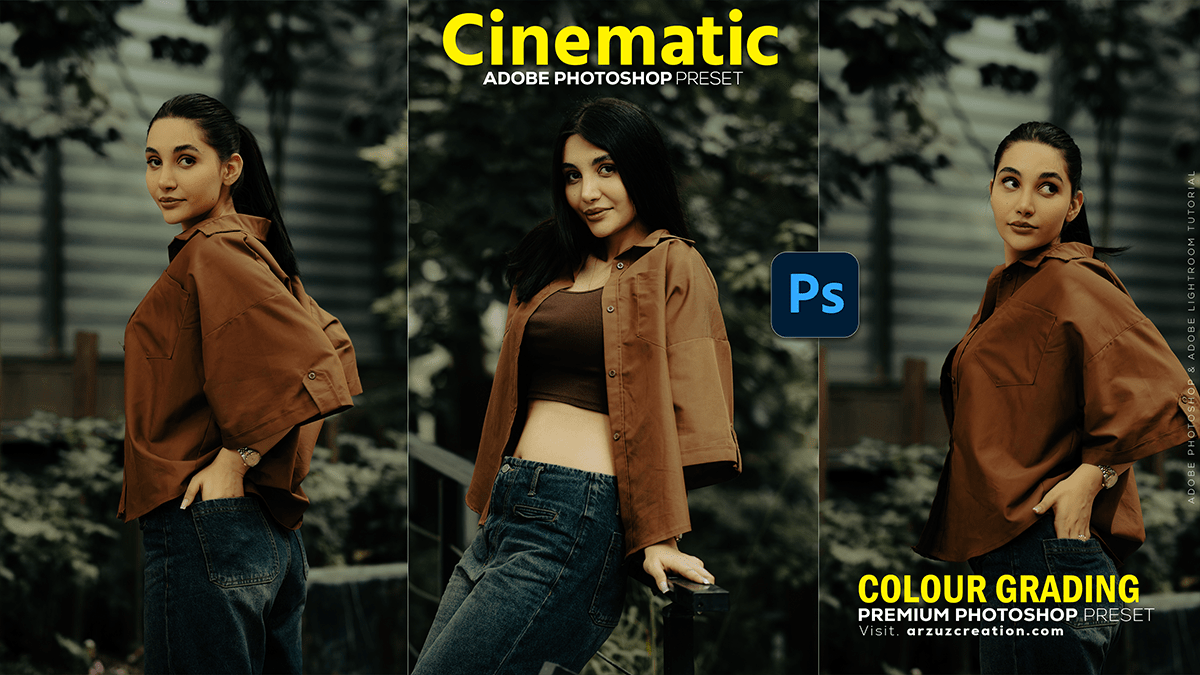
Cinematic Moody Green Photo Editing Adobe Photoshop 2025,
That’s a popular and beautiful style! The “cinematic moody green” look in Photoshop typically involves adjusting tones, shadows, and specifically the green color channel to create a desaturated, darker, and slightly greenish/teal shift.
Dramatic and Cinematic Adobe Photoshop Photo Editing 2025,
That’s a fantastic style! Achieving a dramatic and cinematic photo edit in Photoshop usually involves a combination of techniques focusing on color grading, contrast, and atmosphere.
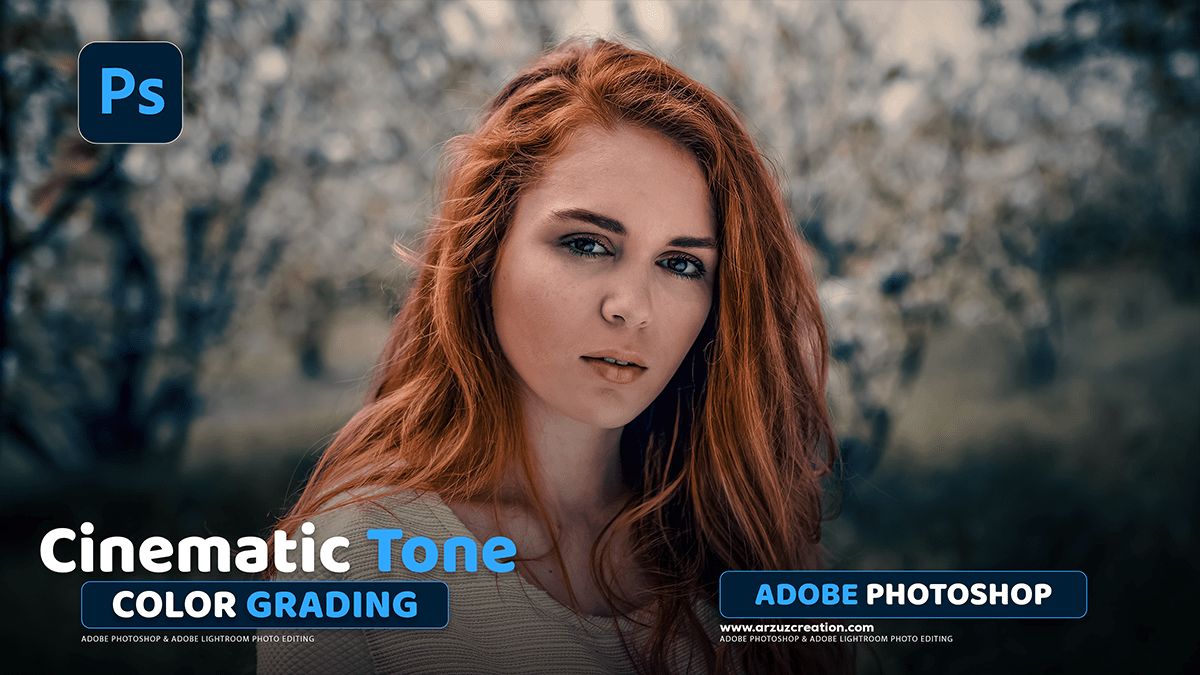
Cinematic Tone: Professional Photo Editing, Adobe Photoshop,
That’s a fantastic goal! Creating a cinematic tone involves a combination of pre-production choices (lighting, composition) and, most importantly, post-production color grading.
Here is a breakdown of the key elements and editing steps to achieve a cinematic look.
A cinematic edit can transform a nature photo into something dramatic and story-driven, often mimicking the look of a movie frame. Here are some key steps and techniques for cinematic nature photo editing, often performed in software like Adobe Lightroom or Photoshop:
🎬 Cinematic moody photo editing is a popular style that uses dramatic contrast, rich colors, and deep shadows to create an emotional, film-like atmosphere.
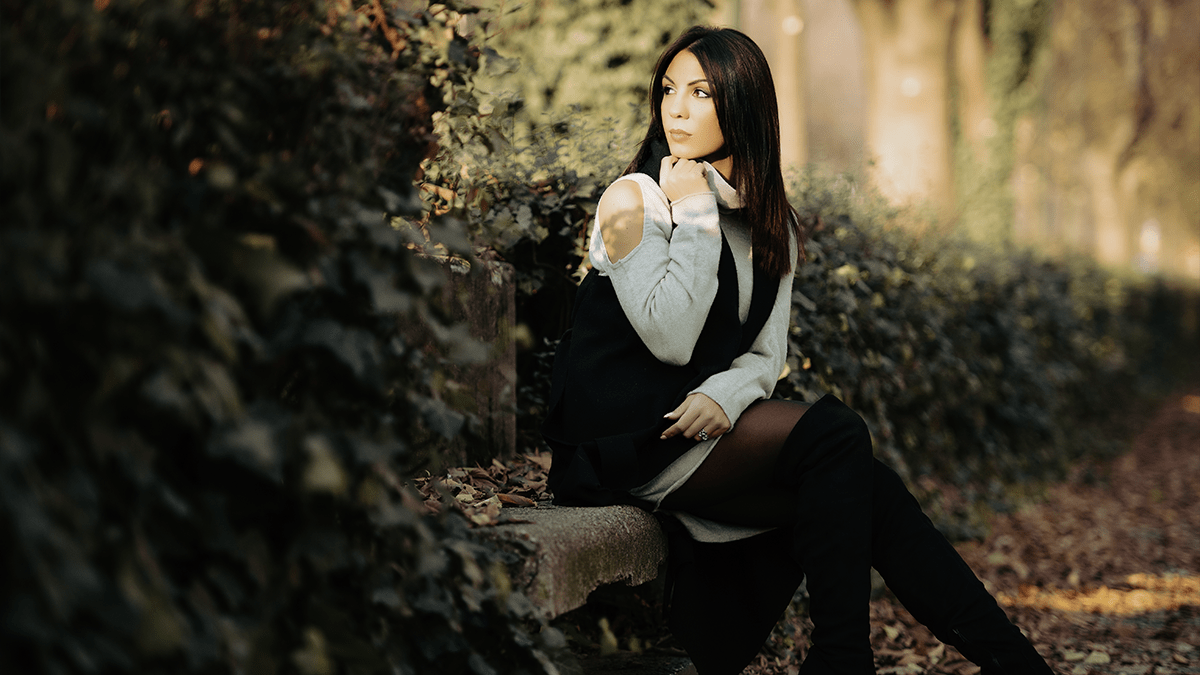
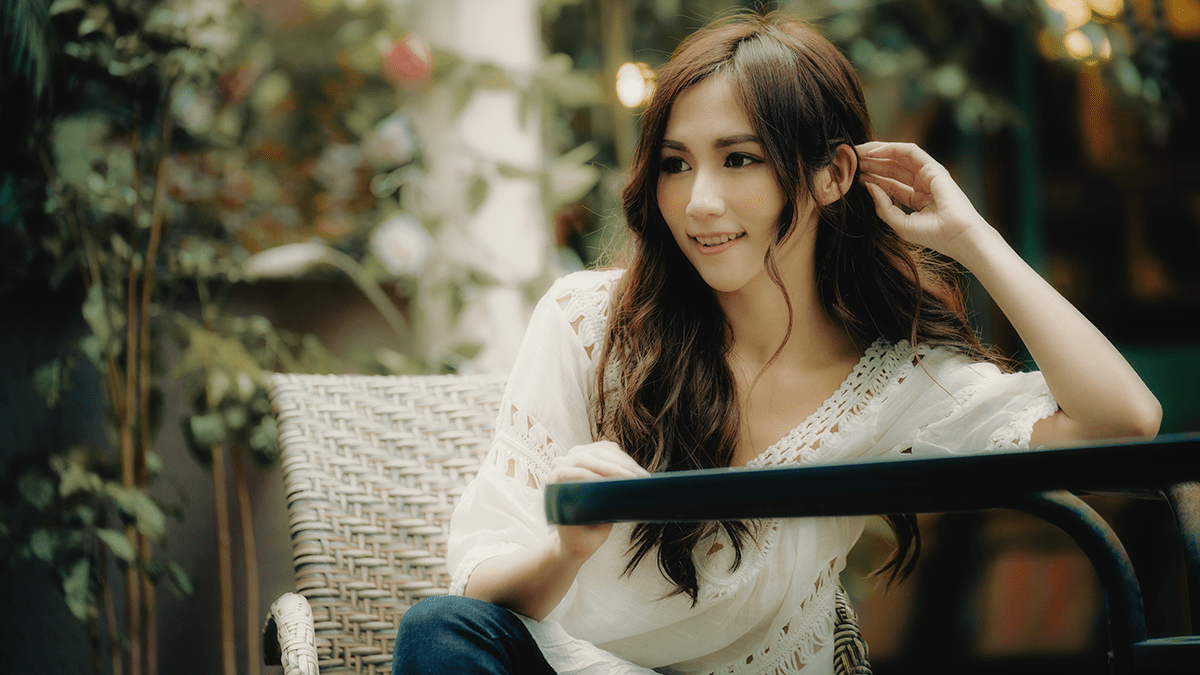
That’s a fantastic topic! Cinematic color grading is key to giving photos a professional, film-like mood. The “cinematic look” often involves a split-tone effect, typically teal (blue/cyan) in the shadows and orange/warm tones in the highlights, which creates a high-contrast, appealing aesthetic.
Here are the main methods and key adjustments you can use in Adobe Photoshop:
Adobe Photoshop is the industry-standard raster graphics editor developed and published by Adobe Inc. for Windows and macOS. It’s the most widely used software tool for professional image editing, manipulation, and digital art. Its name has become so common that “photoshopping” an image is often used as a generic verb for digital image manipulation.
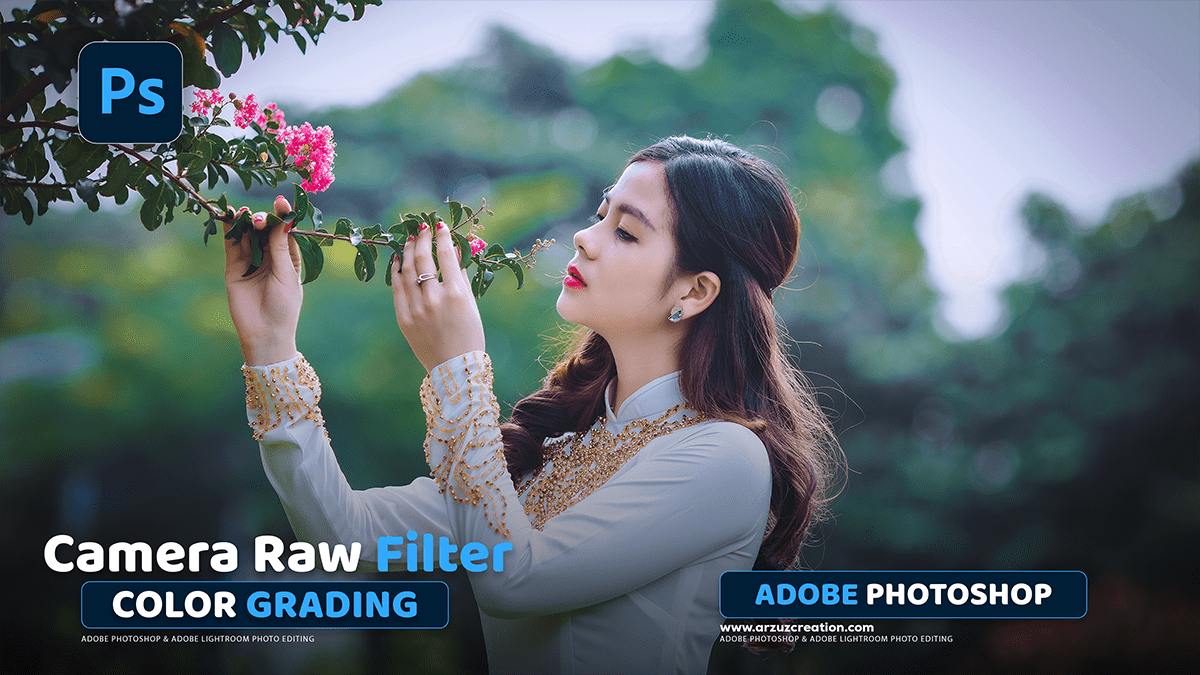
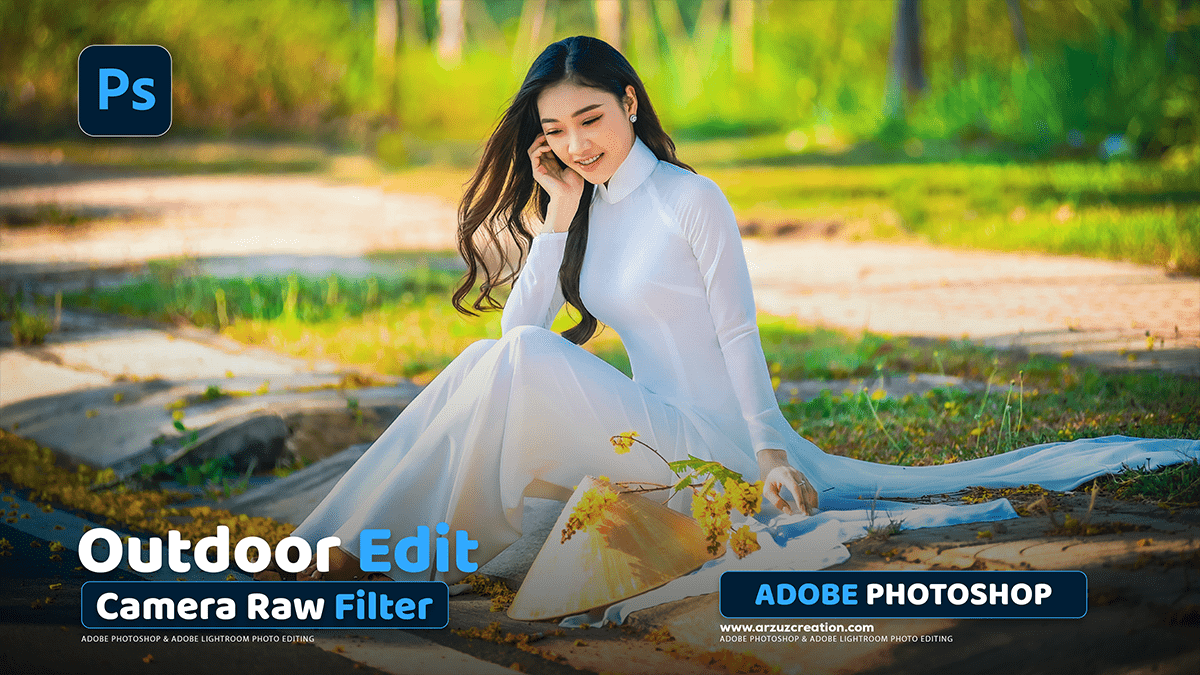
The Camera Raw Filter in Adobe Photoshop is an incredibly powerful, non-destructive editing tool that gives you access to the capabilities of Adobe Camera Raw (ACR) directly within your Photoshop workflow.
The Adobe Photoshop Camera Raw Filter version 18.0 was released in October 2025 and introduced several key updates, especially to its AI-powered removal and masking tools.
Cinematic Color Grading Method Adobe Photoshop 2025,
A popular method for cinematic color grading in Photoshop often involves using the Camera Raw Filter or Adjustment Layers like Selective Color or Color Lookup. The goal is typically to achieve a complementary color scheme, such as the famous “Teal and Orange” look.
That’s a great topic! Adobe Photoshop is the industry standard for photo editing and is constantly updated with powerful new features, especially in AI.
To give you the most helpful information, I need to know a little more about what you’re interested in.
Colour Grading Photoshop Tools: Camera Raw Filter 18.0 Version,
You’re looking to start color grading in Photoshop! This process can be broken down into two main parts: Color Correction (fixing colors to be natural) and Color Grading (stylizing colors to create a mood).
Photoshop is primarily a raster graphics editor, so it doesn’t have a direct “vectorize” tool like Adobe Illustrator’s Image Trace. Instead, vectorizing an image in Photoshop involves manually tracing the raster image using vector-based tools to create paths and vector masks.
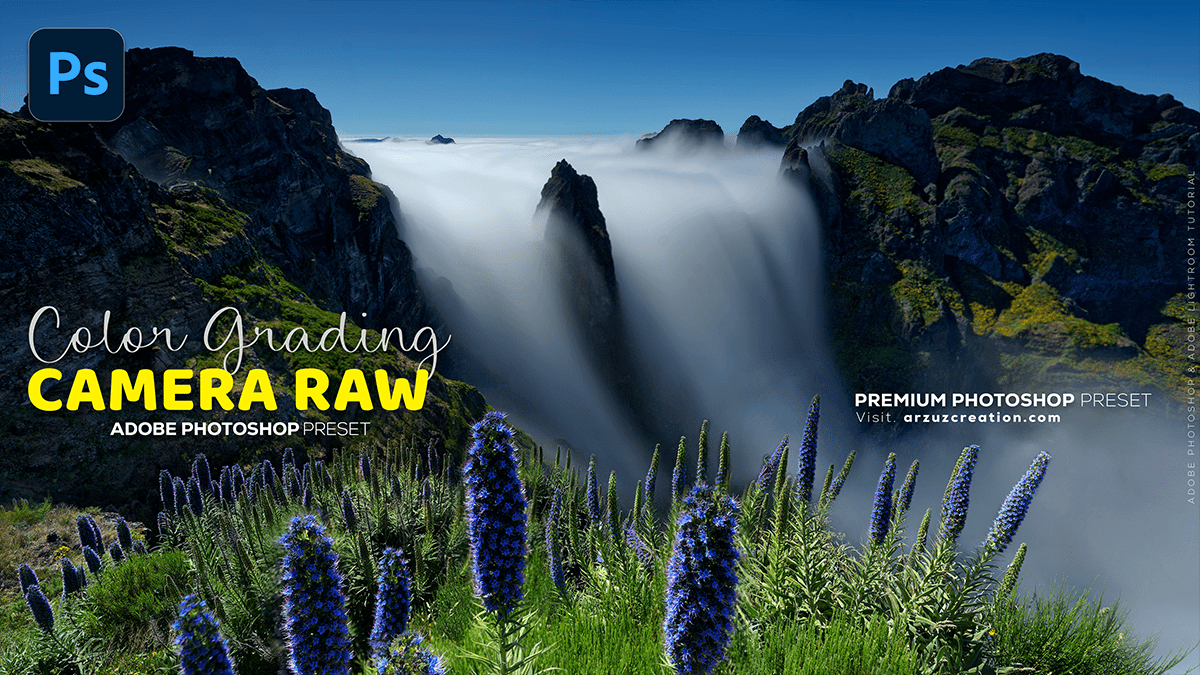
Color grading outdoor photos in Photoshop often starts with utilizing the Camera Raw Filter for powerful non-destructive adjustments, especially if you’re working with RAW files.
Photoshop 2025 has introduced several updates that enhance color control and grading, particularly leveraging AI for faster and more intuitive workflows.
Here are the key updates related to color grading and control in Adobe Photoshop 2025.
That’s a great topic! High-end skin retouching in Photoshop is all about achieving a natural, flawless look while preserving genuine skin texture—avoiding the ‘plastic doll’ effect.
That’s a great skill to learn! Adobe Photoshop beauty retouching involves a set of professional techniques to enhance a portrait while keeping it natural-looking.
Cinematic photo editing in Photoshop involves several key techniques to achieve that dramatic, film-like mood and atmosphere. Here are the main elements and steps often used.
Changing hair color in Photoshop is a common technique, and using a Hue/Saturation Adjustment Layer with a Layer Mask is generally the most flexible and non-destructive method.
Outdoor Photo Cinematic Tone Photo Editing in Adobe Photoshop,
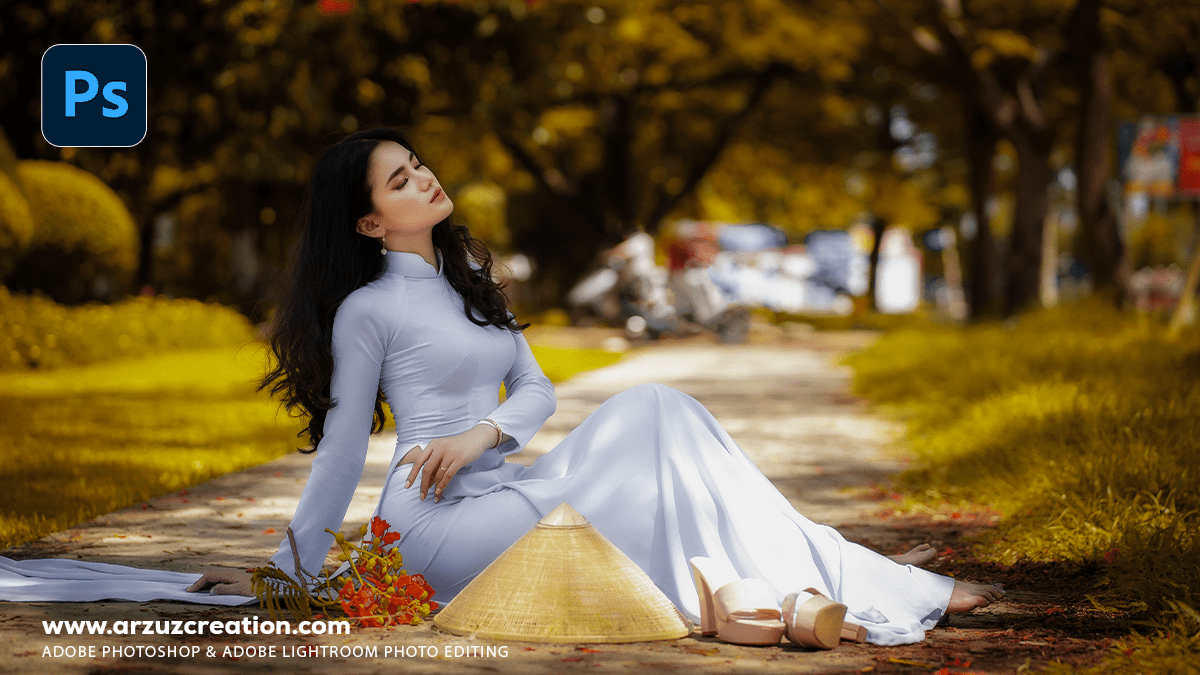
Achieving a “Cinematic Tone” in an outdoor photo edit using Photoshop typically involves a combination of color grading, contrast adjustments, and sometimes adding a special effect like a subtle matte finish or a specific color palette (like teal and orange).
A “Cinematic Effect” on a wedding photo in Photoshop goes beyond basic color correction to create a dramatic, emotionally rich, and story-driven look, often mimicking the visual language of film.
Here is a step-by-step guide to the key elements and techniques used to achieve this effect.
Wedding Photo: Cinematic Look Photo Editing in Adobe Photoshop,
Cinematic color grading in Photoshop for wedding photos aims to create a rich, polished, and film-like aesthetic that enhances the mood and story of the image. A classic cinematic look often employs the “teal and orange” complementary color scheme, where shadows are cooled (blue/teal) and highlights/skin tones are warmed (orange/yellow).
You can achieve this look using several tools and techniques in Photoshop, including Adjustment Layers and the Camera Raw Filter.
How to Create Cinematic Design in Adobe Photoshop 2025,
“Cinematic design” in Adobe Photoshop generally refers to creating a visually dramatic, narrative, and high-impact look often associated with professional film and movie posters.
Here are the key elements and techniques used to achieve a cinematic design in Photoshop.
The Camera Raw Filter in Photoshop is a powerful tool that brings the advanced editing capabilities of Adobe Camera Raw directly into your Photoshop workflow.
Cinematic Effect Colour Grading in Adobe Photoshop 2025,
Cinematic color grading in Adobe Photoshop is a popular technique that uses various tools to create a dramatic, film-like aesthetic. It often involves.
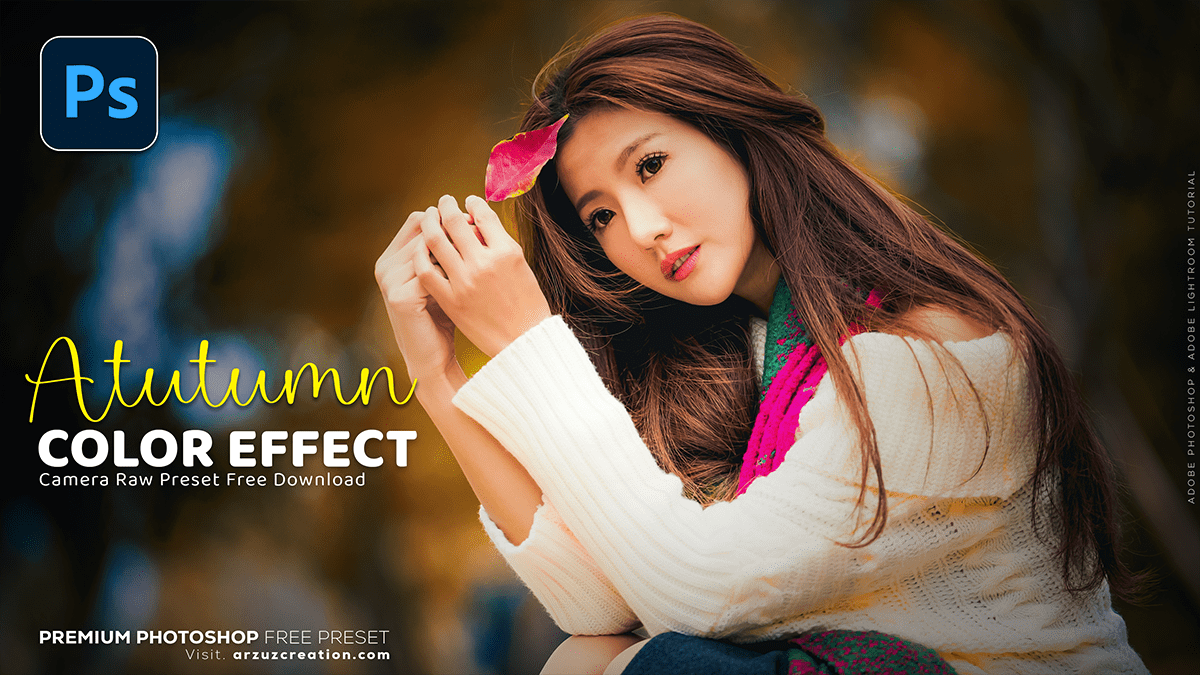
There are several popular methods in Photoshop to achieve an autumn color grading effect, often focusing on shifting greens and blues towards warmer tones (yellow, orange, red) and increasing overall warmth and vibrance.
Here are a few common approaches using Adjustment Layers.
Wedding photo color grading in Lightroom is all about setting the mood and aesthetic for your images. It usually involves adjusting various settings to achieve a consistent and beautiful style.
Here are the key areas and popular styles for wedding photo color grading in Lightroom.
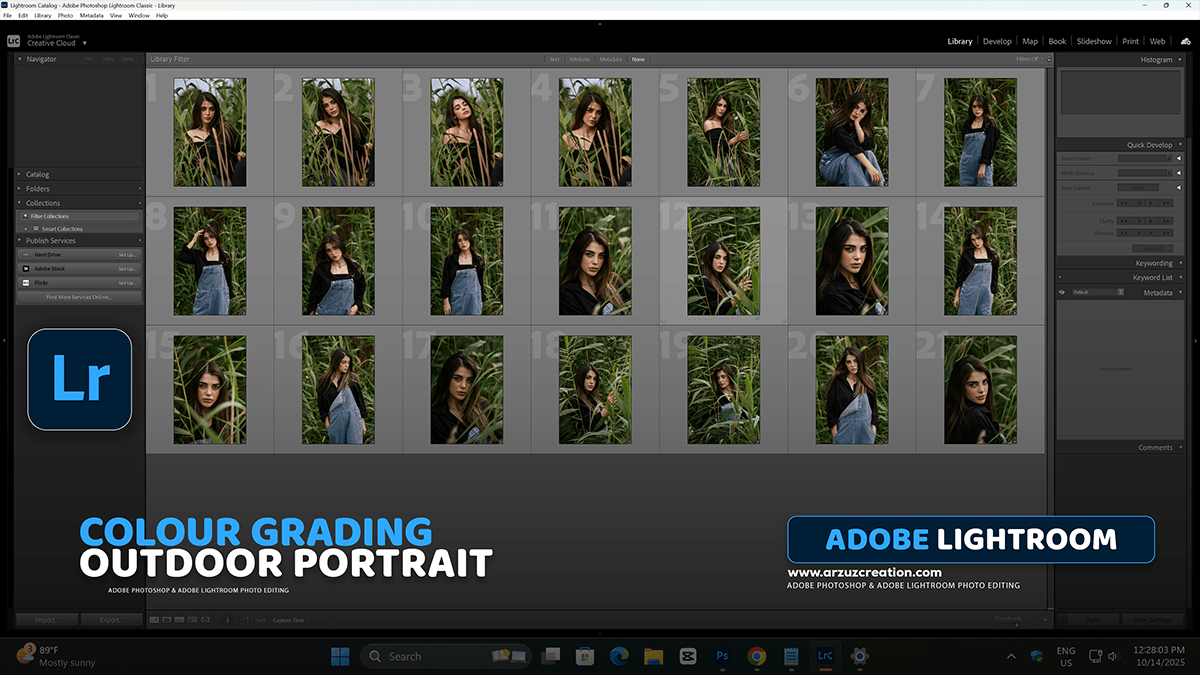
Multiple Photos: How to Color Grade Multiple Photos in Lightroom,
The key to color grading multiple photos in Lightroom is batch editing—applying the edits from one photo to many others. There are a few primary ways to achieve this.
Color Grading Presets Free Download: Adobe Photoshop 2025,
Adobe Photoshop color grading presets are pre-configured adjustments that allow you to quickly apply a specific, professional color style or “look” to your images.
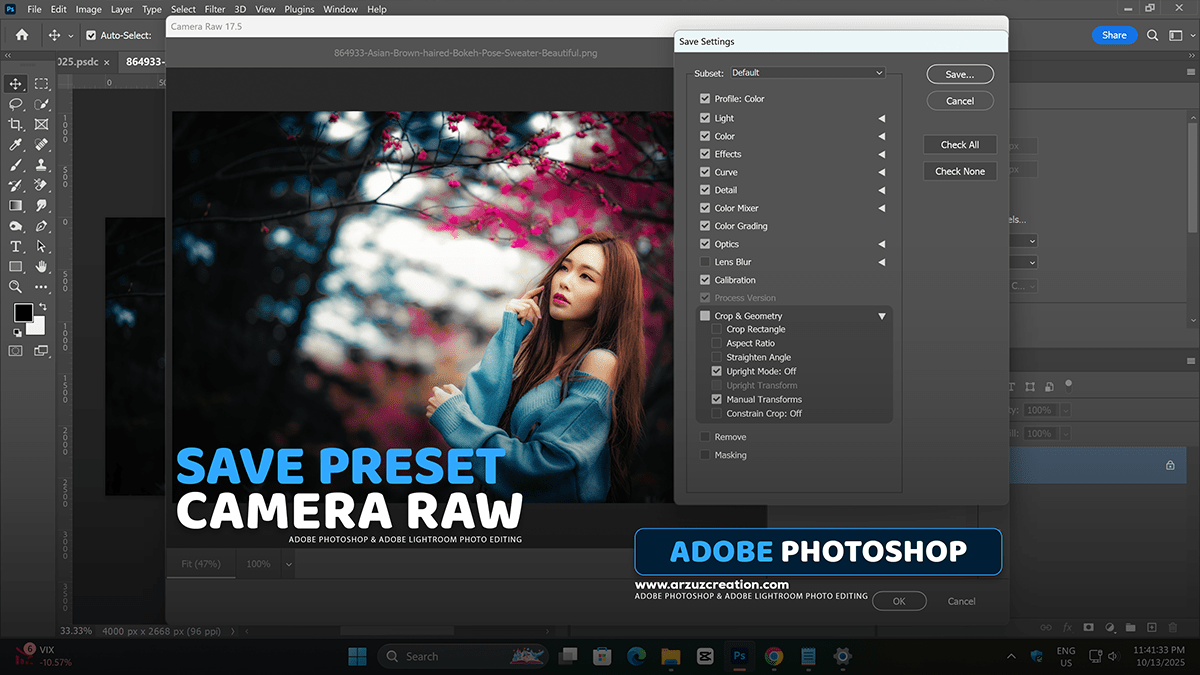
How to Save Presets in Adobe Photoshop Camera Raw Filter 17.5,
Saving Camera Raw presets in Adobe Photoshop allows you to apply a consistent look to multiple images quickly. This is done within the Adobe Camera Raw (ACR) dialog box.
Therefore, Color grading in Photoshop 2024 is primarily done using existing, powerful tools, including dedicated features within the Camera Raw Filter and various Adjustment Layers.
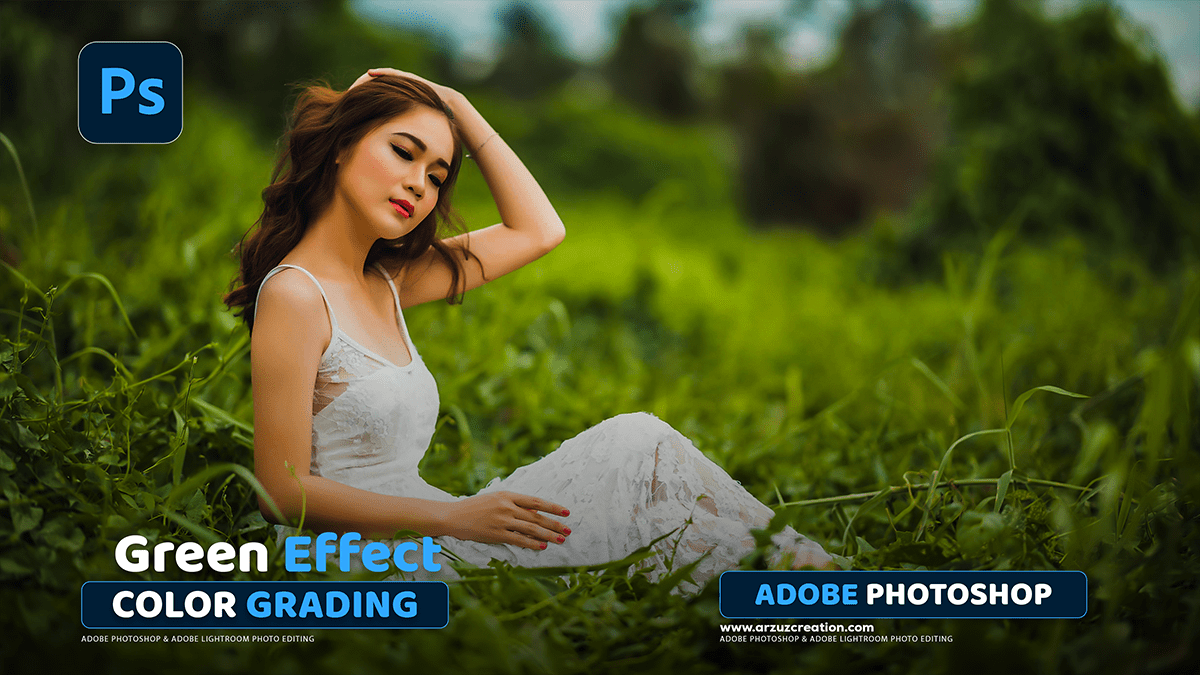
Professional Green Color Grading in Adobe Photoshop 2025,
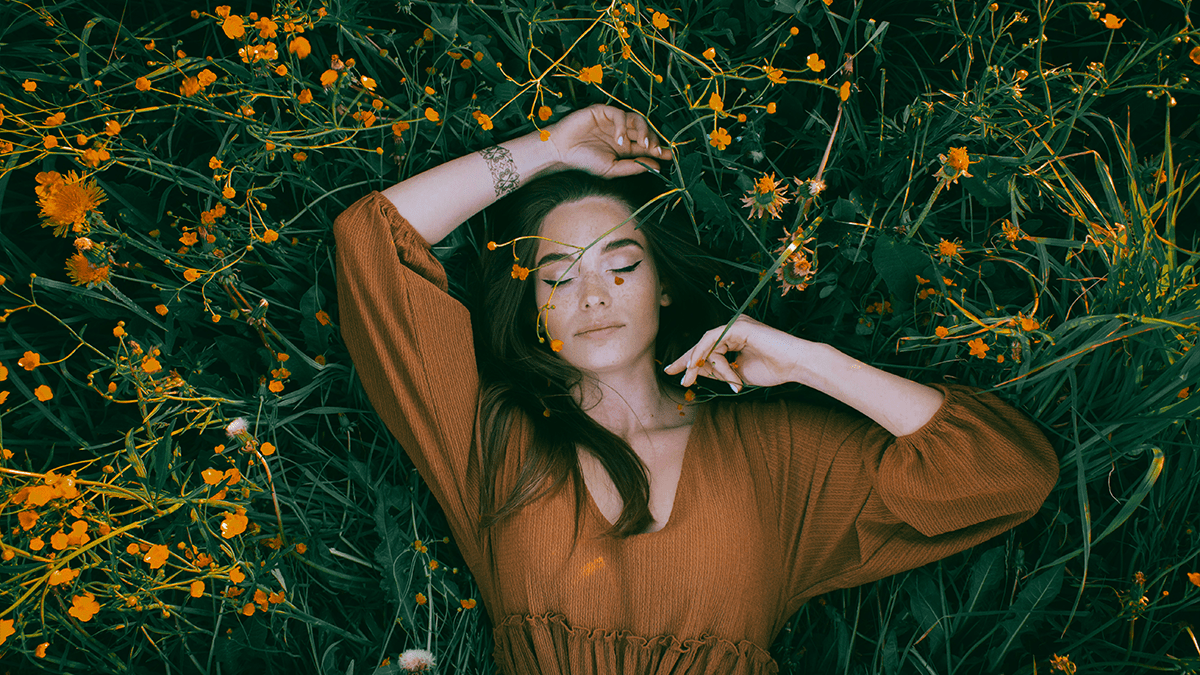
A professional green color grade for an outdoor portrait in Adobe Photoshop typically involves manipulating the colors to emphasize rich, often moody, green tones while maintaining natural-looking skin tones.
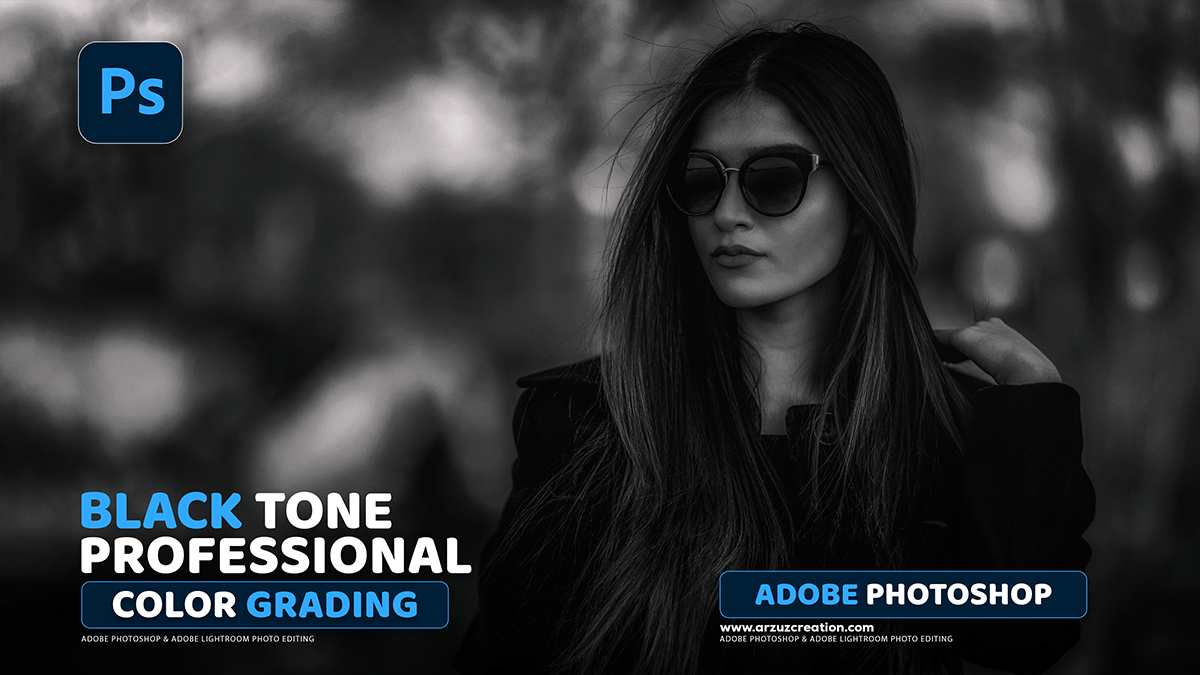
Professional Black Color Grading Outdoor Portrait in Photoshop,
A professional green color grade for an outdoor portrait in Adobe Photoshop typically involves manipulating the colors to emphasize rich, often moody, green tones while maintaining natural-looking skin tones.
Outdoor Professional Photo Editing in Adobe Photoshop Tutorial,
Outdoor professional photo editing in Adobe Photoshop involves a range of techniques to enhance and refine images, often starting with RAW files for maximum quality. A typical workflow focuses on global adjustments, local enhancements, and creative color grading.
The Adobe Photoshop Camera Raw Filter is a powerful, non-destructive editing tool that gives you access to the extensive controls of the Adobe Camera Raw (ACR) interface directly within Photoshop.1 It’s often used for global and local adjustments to tone, color, detail, and geometry of an image.2
Cinematic color grading in Photoshop is a post-processing technique used to give an image the dramatic, stylized, and often mood-driven color palettes seen in films. It typically involves Split Toning, often using complementary colors like the famous Teal and Orange look, and the use of LUTs (Look Up Tables) for quick, professional results.
The Adobe Photoshop workspace is the entire application window, designed to give you access to all the tools and features you need for image manipulation. It’s highly customizable but generally consists of a few key components.
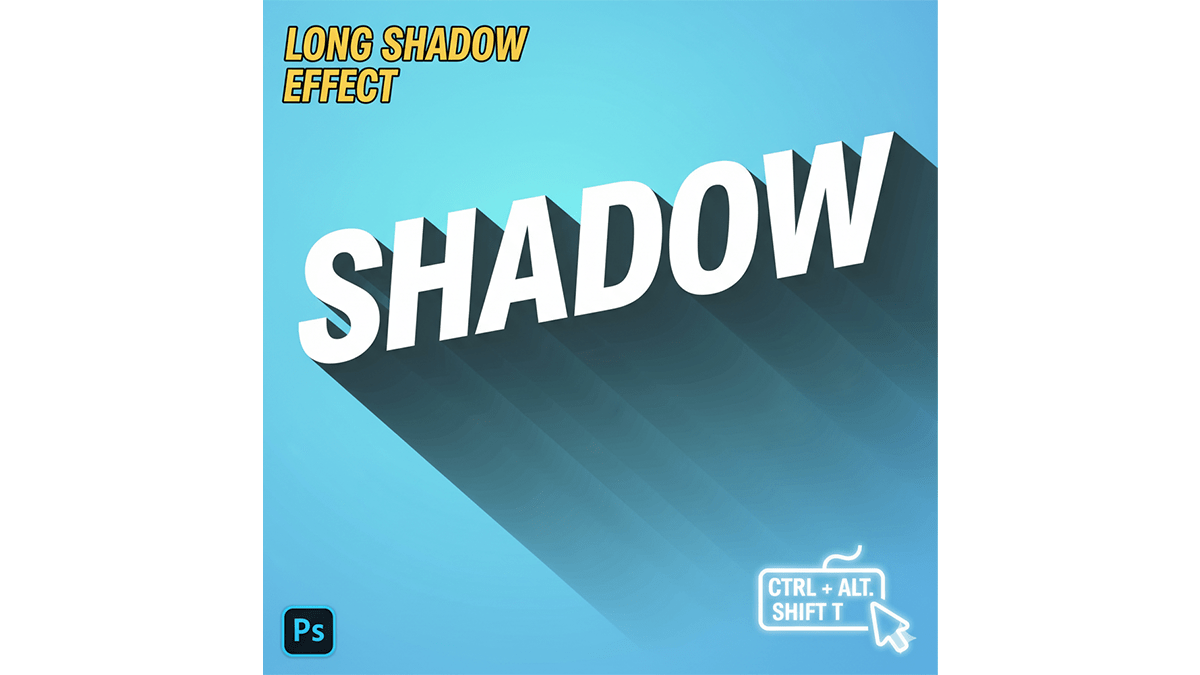
There are a couple of popular methods to create the long shadow text effect in Adobe Photoshop. The most common technique involves duplicating the text multiple times, and the quickest uses the Path Blur filter.
Adobe Photoshop For Beginners: Professional Photo Editing,
Adobe Photoshop for beginners can seem intimidating, but mastering a few core concepts and essential tools will set you up for success! The best way to learn is by practicing simple projects.
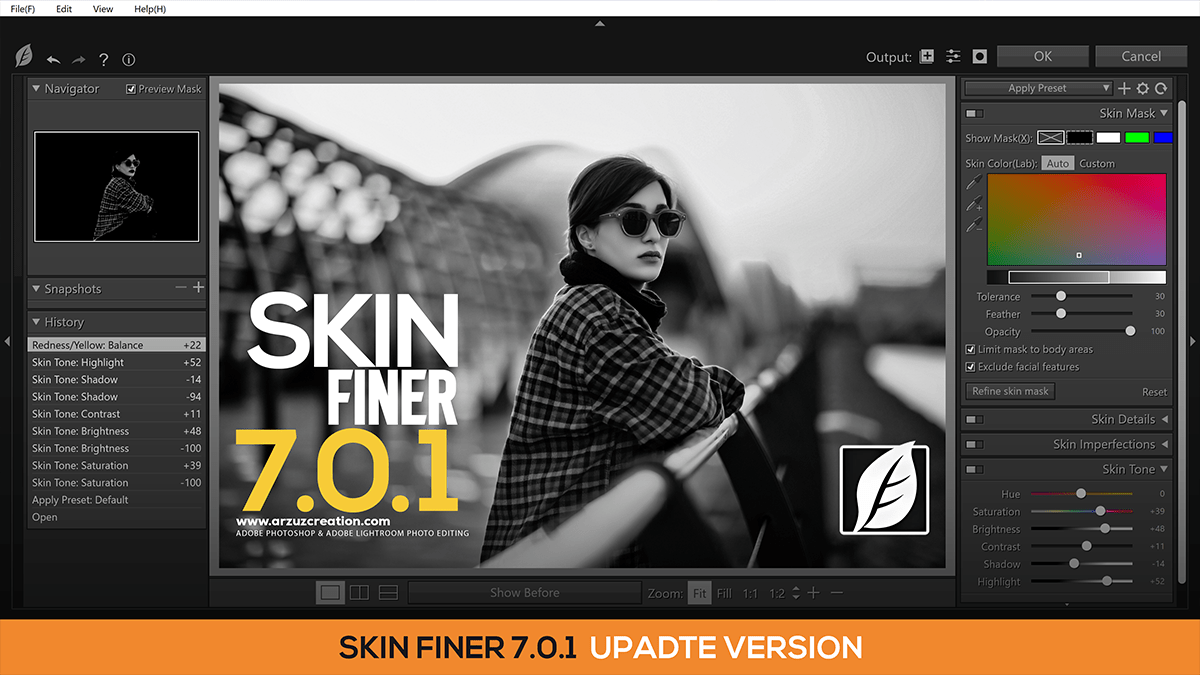
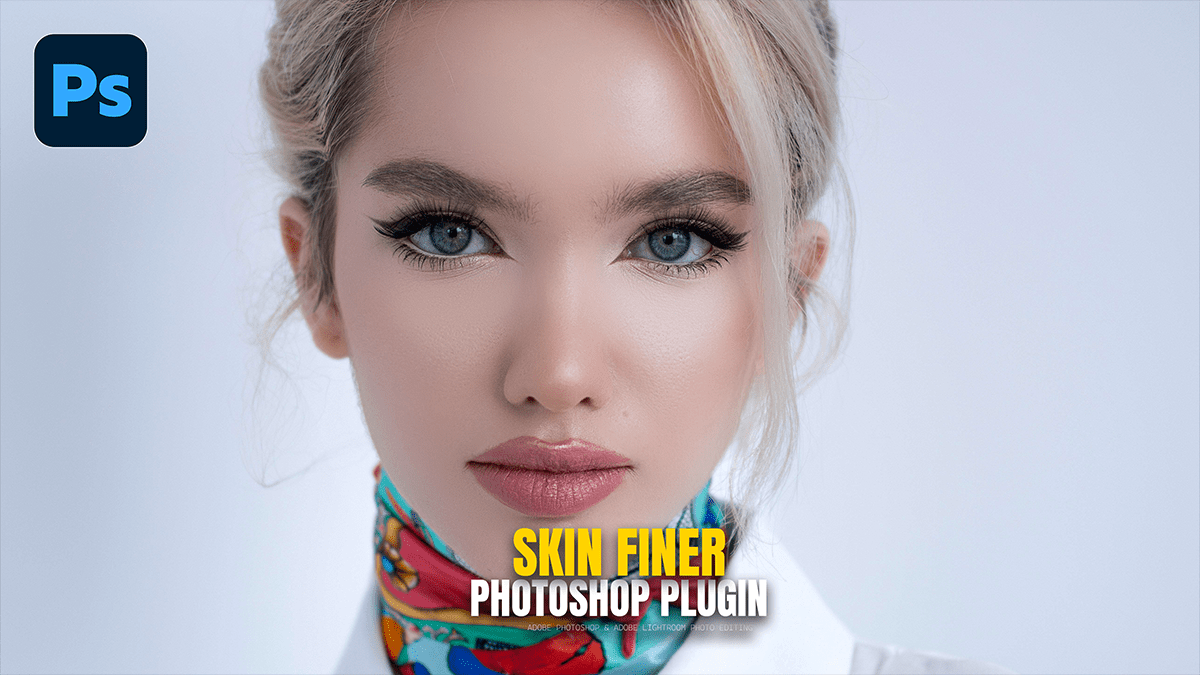
There is no single tool called “Skin Finer” in Adobe Photoshop. The term may refer to a third-party plugin called SkinFiner, but the most effective and professional skin retouching in Photoshop is done with built-in tools and techniques like Frequency Separation.
For users of Adobe Photoshop Express, there is a one-click “Smooth Skin” feature, and the full version of Photoshop offers the AI-powered “Skin Smoothing” Neural Filter.
Photoshop photo editing can range from basic adjustments to complex retouching. The key to powerful, non-destructive editing is using layers and masks. The following steps cover foundational edits, which can be adapted for any photo.
Adobe Photoshop Advanced Retouching Tutorial For Beginners,
Advanced retouching in Adobe Photoshop is a highly sought-after skill for professional photographers and digital artists. It goes beyond basic blemish removal to a non-destructive, detailed workflow that enhances an image while maintaining a realistic and natural appearance. This involves a combination of specialized techniques, each with its own purpose.
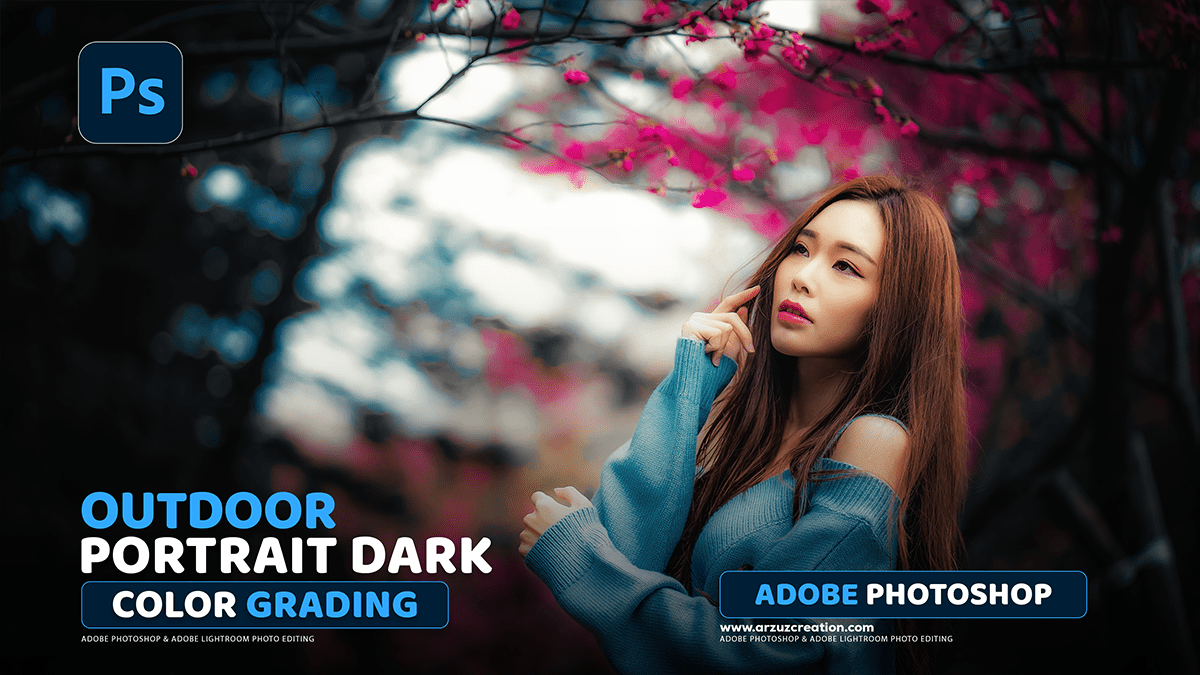
When color grading a portrait photo, the goal is to enhance the subject’s features, evoke a specific mood, and create a visually appealing image. Here’s a breakdown of the key steps and techniques involved, often used by professional retouchers and photographers.
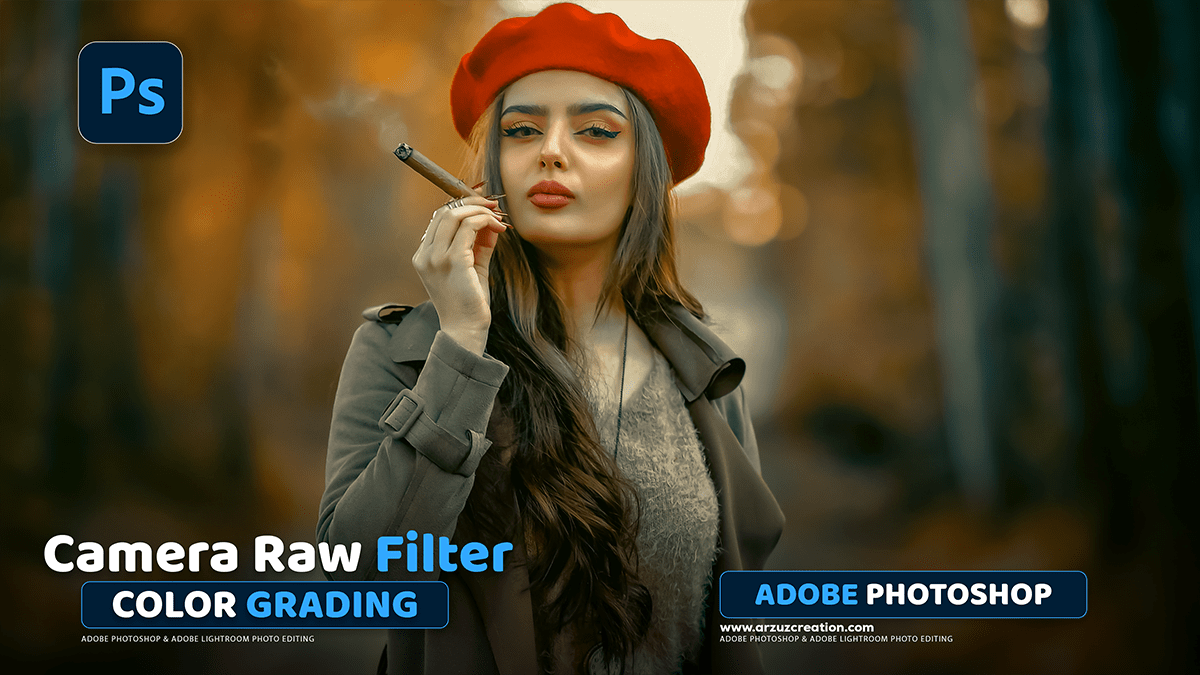
Cinematic Red Color Grading in Adobe Photoshop Camera Raw,
Creating a specific color grade, like a “red” look for an outdoor portrait, using the Photoshop Camera Raw Filter involves a combination of adjustments. The key is to shift the tones of your image toward the red end of the spectrum while maintaining pleasing and natural-looking skin tones.
Here is a general guide to achieve a red color grade using the Camera Raw filter, which can be applied to a JPEG, TIFF, or RAW file.
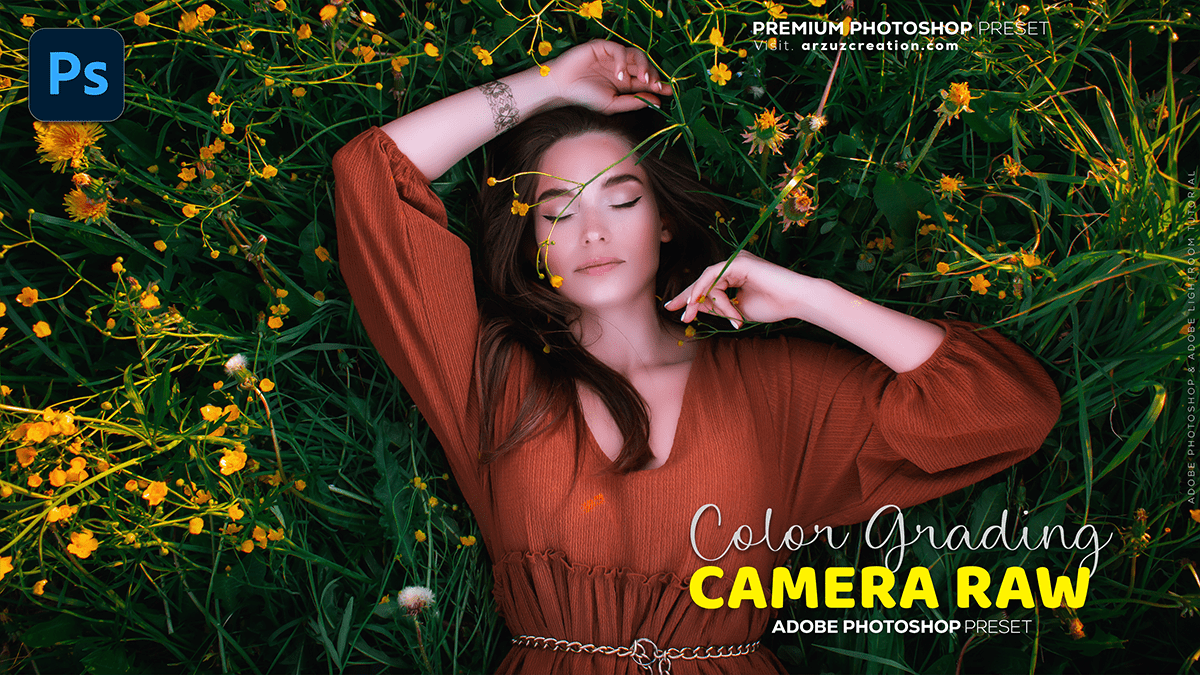
Color grading a portrait in Photoshop is a powerful way to enhance the mood, atmosphere, and overall appeal of your image. Unlike basic color correction, which aims to neutralize colors, color grading is about applying creative color palettes to achieve a specific look.
Here’s a breakdown of common techniques and tools for portrait color grading in Photoshop.
Professional Photo Editing Adobe Photoshop Plugin 2025,
There are a vast number of professional photo editing plugins for Photoshop, each with a specific purpose. The best choice for you depends on your workflow and the type of photos you edit most often (portraits, landscapes, etc.). Here’s a breakdown of some of the most popular and highly-regarded plugins, categorized by their primary function.